
Pushing vs tending
Your body is talking to you all the time. The hard part is knowing when to challenge it and when to believe it.

Last week, my daughter Abigail went to circus camp.
Yup. Circus camp.
She'd gone before (not last year because I missed the sign-up deadline <cough> mother of the year <cough>), so she was thrilled to go back this summer.
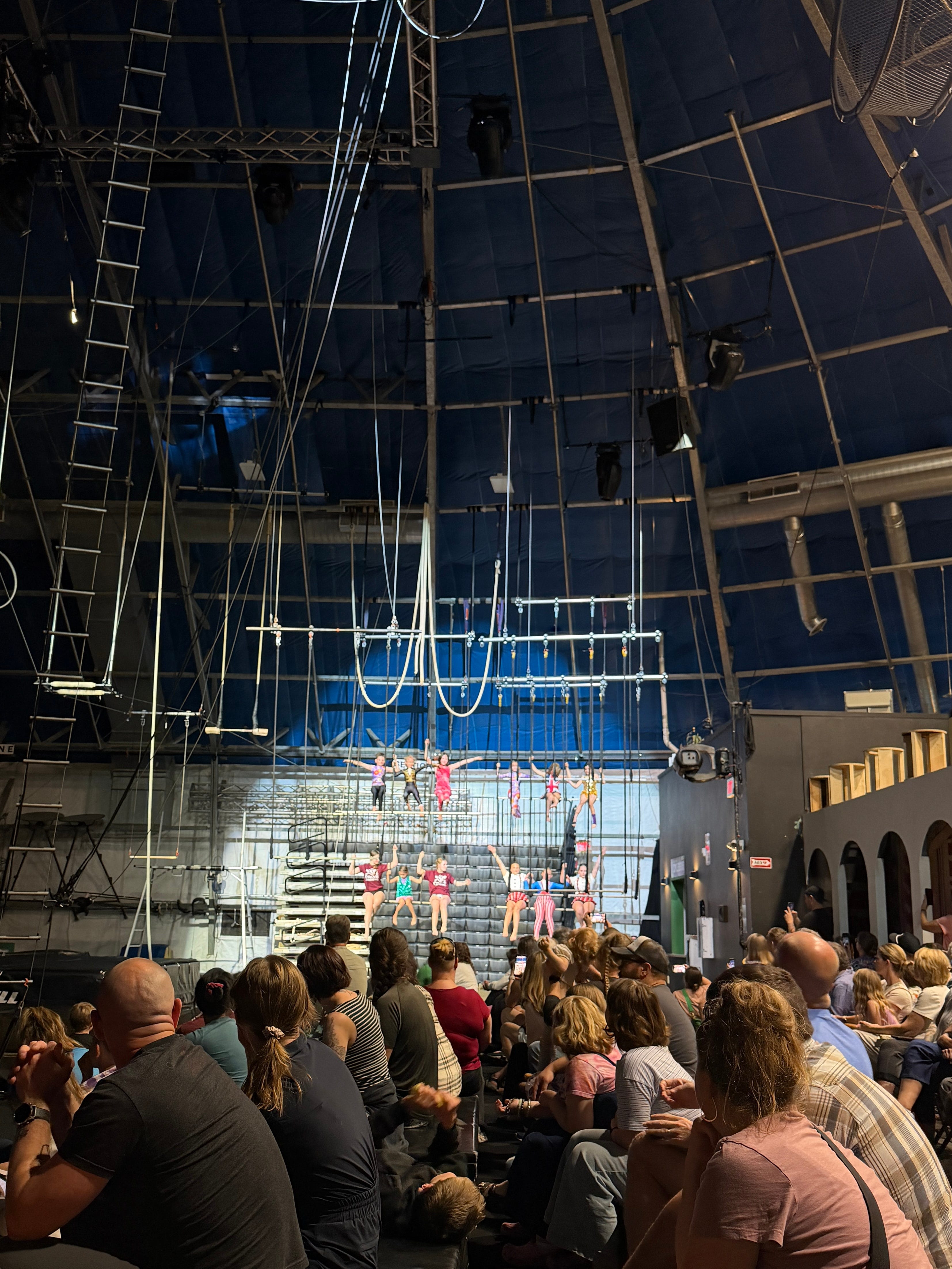
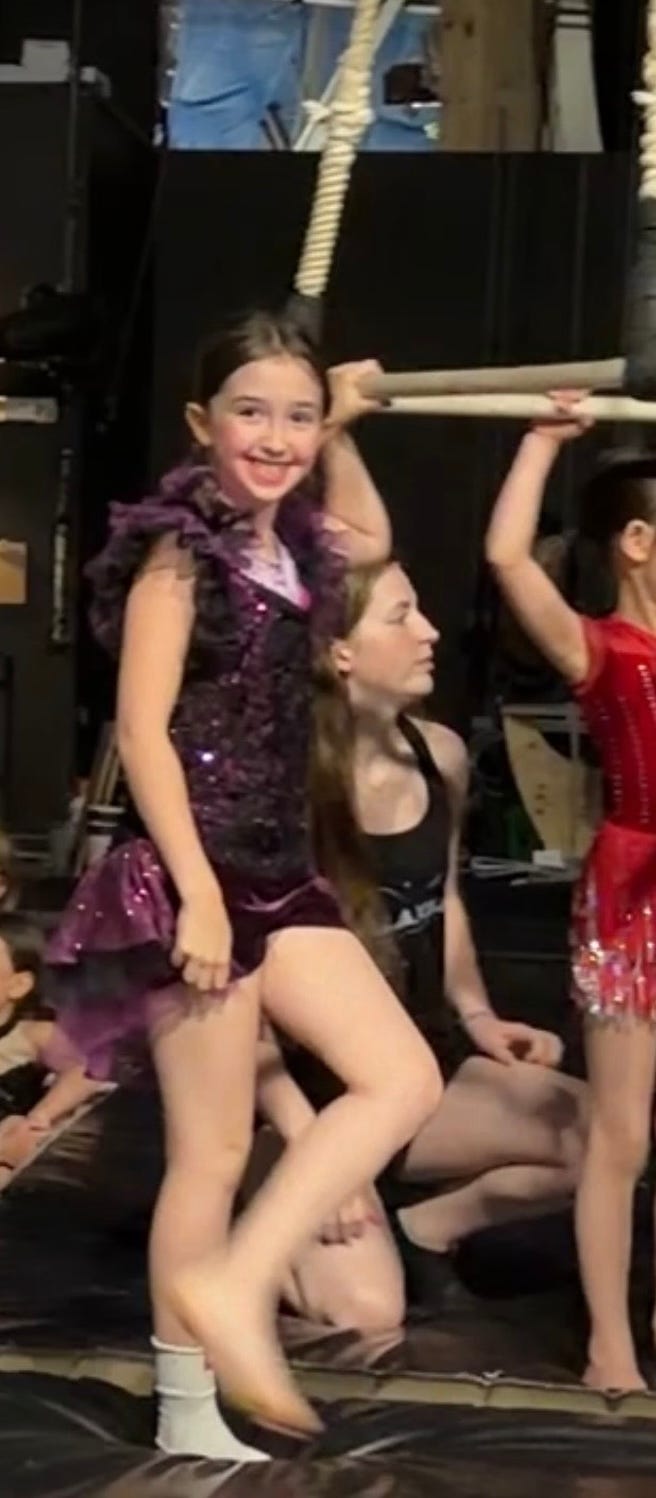
On Tuesday—the second day of camp—I got a call from the director1. The director said Abigail “seemed to have hurt her foot.” She didn’t sound particularly concerned. If anything, her tone suggested she thought it might be an exaggerated injury. An 8-year-old trying to get out of a few non-preferred activities.
But when I picked her up from camp, I saw her limping. Abigail told me what happened (nothing exciting or cool…just regular klutziness). And that while it had been improving throughout the day, her foot was still bothering her.
On Wednesday, I lent Abby an Ace bandage to use and sent her back into the giant tent. At pick-up, I asked one of the counselors how her day had been.
“Eh. So-so. She had a few tough moments where she needed breaks. She did most of the activities. She didn’t want to walk to the park though. She said her foot was hurting, but I pushed her to go anyway.”
Uh, ok.
I asked Abigail later in the car about her day. “It sounds like you were able to make it to the park!” Lilting my voice upwards in faux optimism.
“Yeah, they made me go.”
“They MADE you go?”
“Yeah. They said I was fine and had to go. So I just walked over and sat on the bench when I got there.”

These are the parenting moments that drop-kick me into a days-long spiral of "should I/shouldn’t I” that is neither fun nor productive but as an attuned parent feel impossible to sidestep.
I wondered if I should be annoyed by the camp for not believing her or honoring her physical autonomy. I wondered if I should THANK the camp for pushing her a bit.
Could she physically walk to the nearby park? Yes.
Should she have been forced to do so with an injured foot? No.
Was she traumatized by the experience? No.
Did her foot heal in time for the big performance on Friday? Yes!
It’s a fine line. Knowing when to push and when to tend to our bodies is one of the questions I ask myself most often.
Early in my career, I’d wake up sick before an important client presentation and try to decide whether I was “sick enough” to stay home2. I’d run through the pros and cons of taking the day off and resting.
Pro: I could barely think and maybe if I took a day off, I’d feel better faster.
Con: I’d be behind in my work. I’d feel guilty. I’d worry about being seen as a weak-ass baby bitch slacker (or worse, a liar).
As human beings with imperfect, fallible bodies, we have to learn when to rest and when to push ourselves. Sometimes the answer is obvious. Often it isn’t.
That’s especially hard for Abigail. Like many neurodivergent kids, she prefers clear rules over gray areas: “If this, then this.” It’s tough for her when things are left up to interpretation. She will often over-explain or rationalize when she wants me to know why she did or didn’t do something. It’s a tough balance to strike. When it’s time to push yourself / get up / barrel on through the pain. And when it’s time to rest / take a beat / take a damn nap.
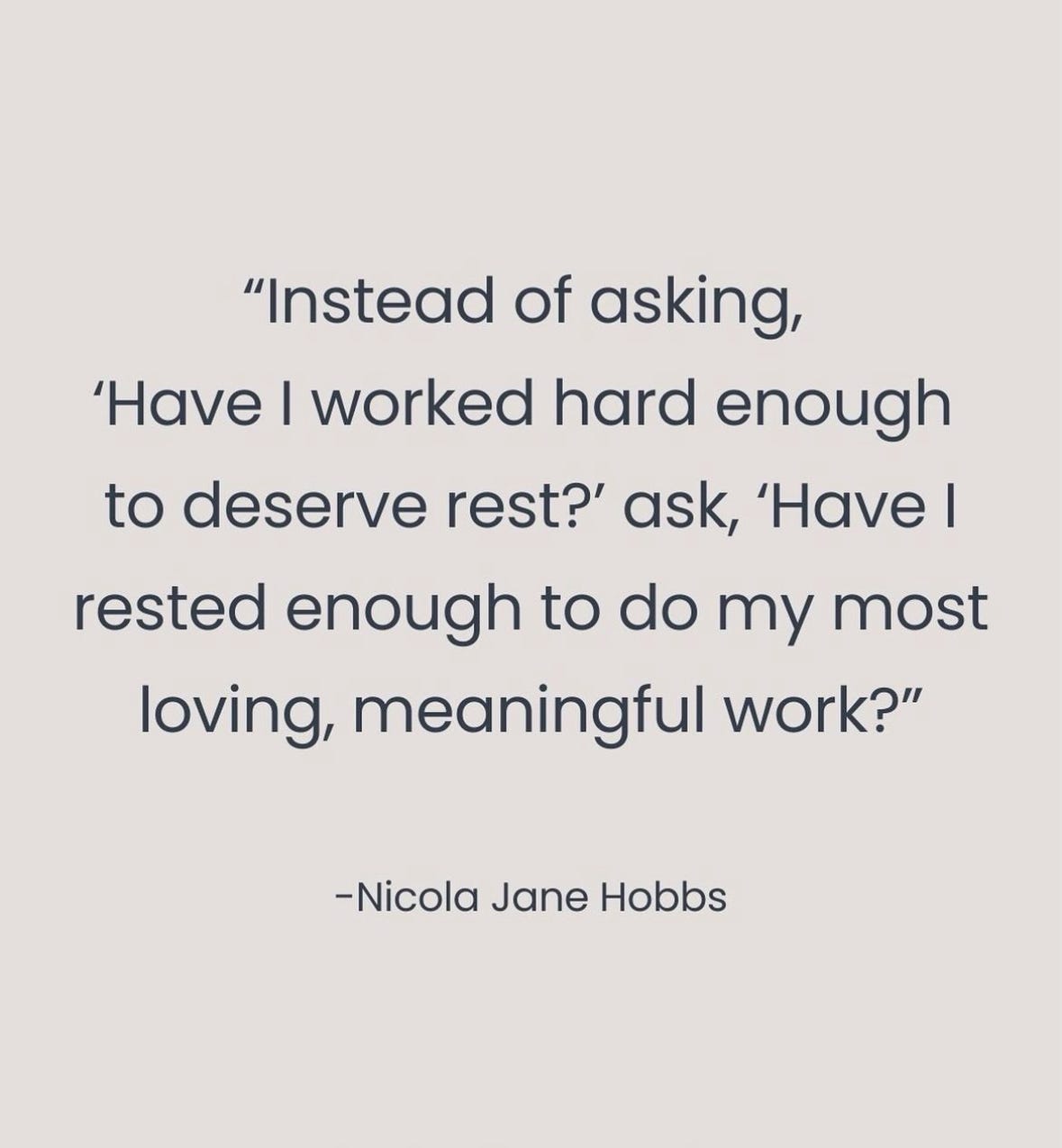
I am constantly asking myself: “What does my body need right now? Pushing or tending?”
If you've ever lived with an injury or chronic illness, you know how simply asking yourself this question can feel both empowering and overwhelming.
If you’re having gnarly endometriosis-fueled period cramps, then yeah, you probably need to tend (aka take a fistful of ibuprofen, curl up with a heating pad and back-episodes of Love Island).
But if you’re just feeling a little achy from a workout in which you pushed too hard, then yeah, maybe you should still go for a walk to the neighborhood coffee shop.
Answering the question can also feel muddied if you’re someone who spent most of your life in an environment where you were taught to "suck it up,” “walk it off,” or “push through the pain.” Which our monoculture greatly reenforces. Our country is obsessed with pushing itself. It’s kind of our entire identity: watching Olympians compete with sketchy injuries. Cheering on The Biggest Loser contestants when they vomit and faint. Watching people struggle to “pull themselves up by their bootstraps” is our greatest pasttime.
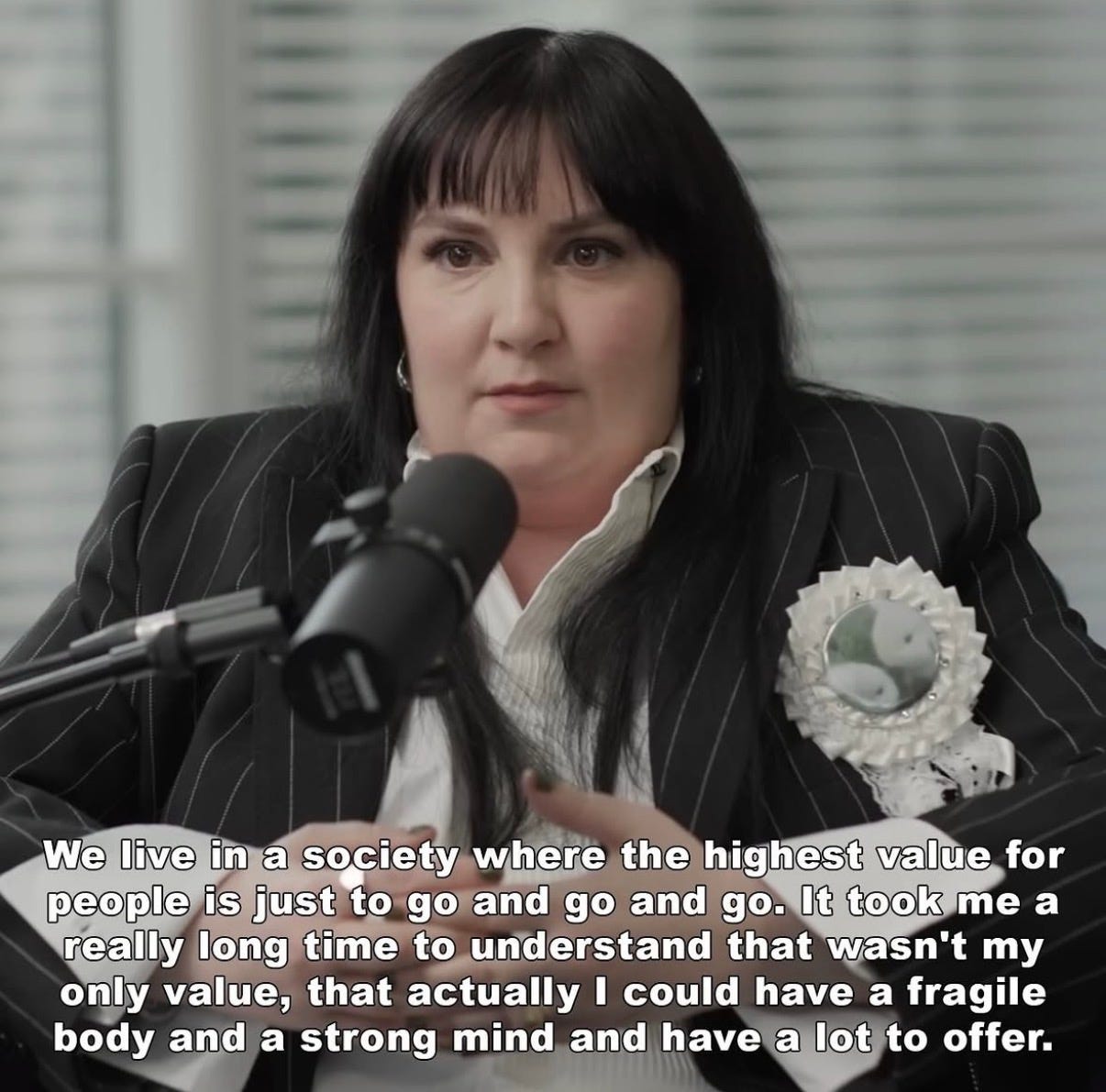
That's one of the reasons Lena Dunham's new memoir Famesick, resonated so deeply with me. This passage especially stuck with me:
“I was starting to understand that illness wasn’t just a town l was passing through, but a city that I was going to pay taxes in. They were still hoping for the occasionally fragile girl with the random rashes and shitty periods they’d agreed to love. Nobody understood how much pain that girl was already withstanding from the minute she started walking…I was complaining of a pulled neck muscle at six, a bad knee at eight, sciatica at sixteen. I was just rolling and rolling and trying to keep up.”
Whether it’s in sports or just in our hyper-competitive capitalistic culture, we’re encouraged to push through physical discomfort3.
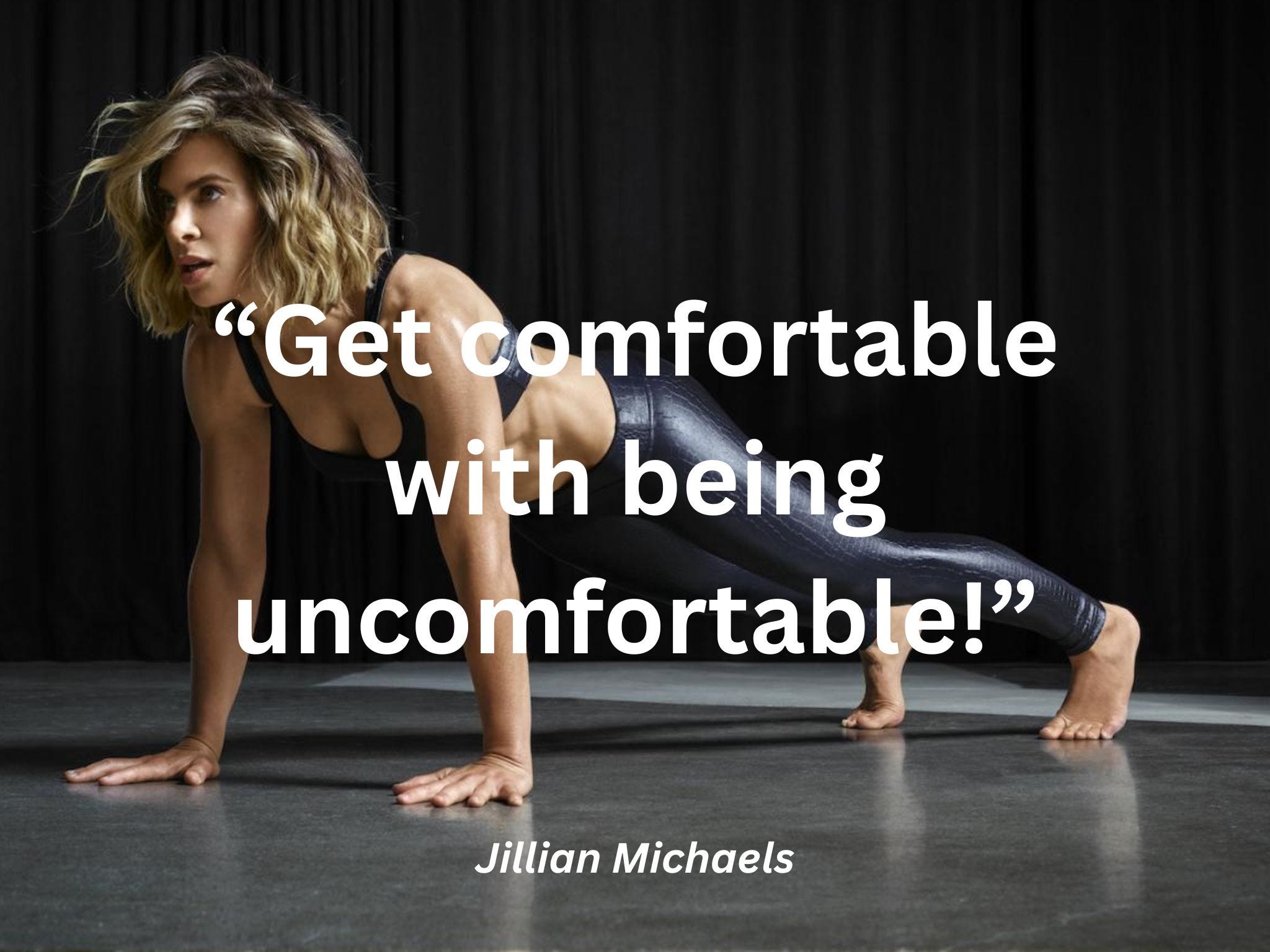
But what if you just need to lie down?
That should be allowed, too.
And we should also acknowledge that some bodies need more rest than others. Some can’t do as much as others. Some will never be fully “recovered” or “fixed.” And that’s ok. It’s not bad or wrong or lazy.
We also never know what someone else is able to do. There’s sometimes a weird chasm between one’s actual capacity and one’s perceived capacity. So if someone tells you they need to take a break on a hike, listen to them. Don’t doubt them or push them or say “But we’re just half-a-mile away from the campsite.” Honor their needs. Listen to them. Believe them.
Here’s what I want to teach my sweet, sensitive, deeply feeling daughters:
You are in charge of your body.
Only YOU know what being in your body feels like and what your body needs.
You don’t know what other people’s bodies need.
Bodies change all the time. Something you could do yesterday, you might not be able to do today and something you couldn’t do yesterday might be doable today.
If someone else is experiencing pain, you can ask them “What kind of support would you like?” Then they can choose whether they want physical help or maybe just a kind listening ear.
It’s ok to take a break.
Having a body is hard…but also, aren’t we lucky to have them? Flaws and all.
Mostly, I want them to get comfortable asking themselves: What does my body need right now? That’s the question I hope they’ll keep asking themselves for the rest of their lives. Multiple times a day.
Sometimes the answer will be "push." Sometimes it'll be "tend."
The trick is learning the difference.
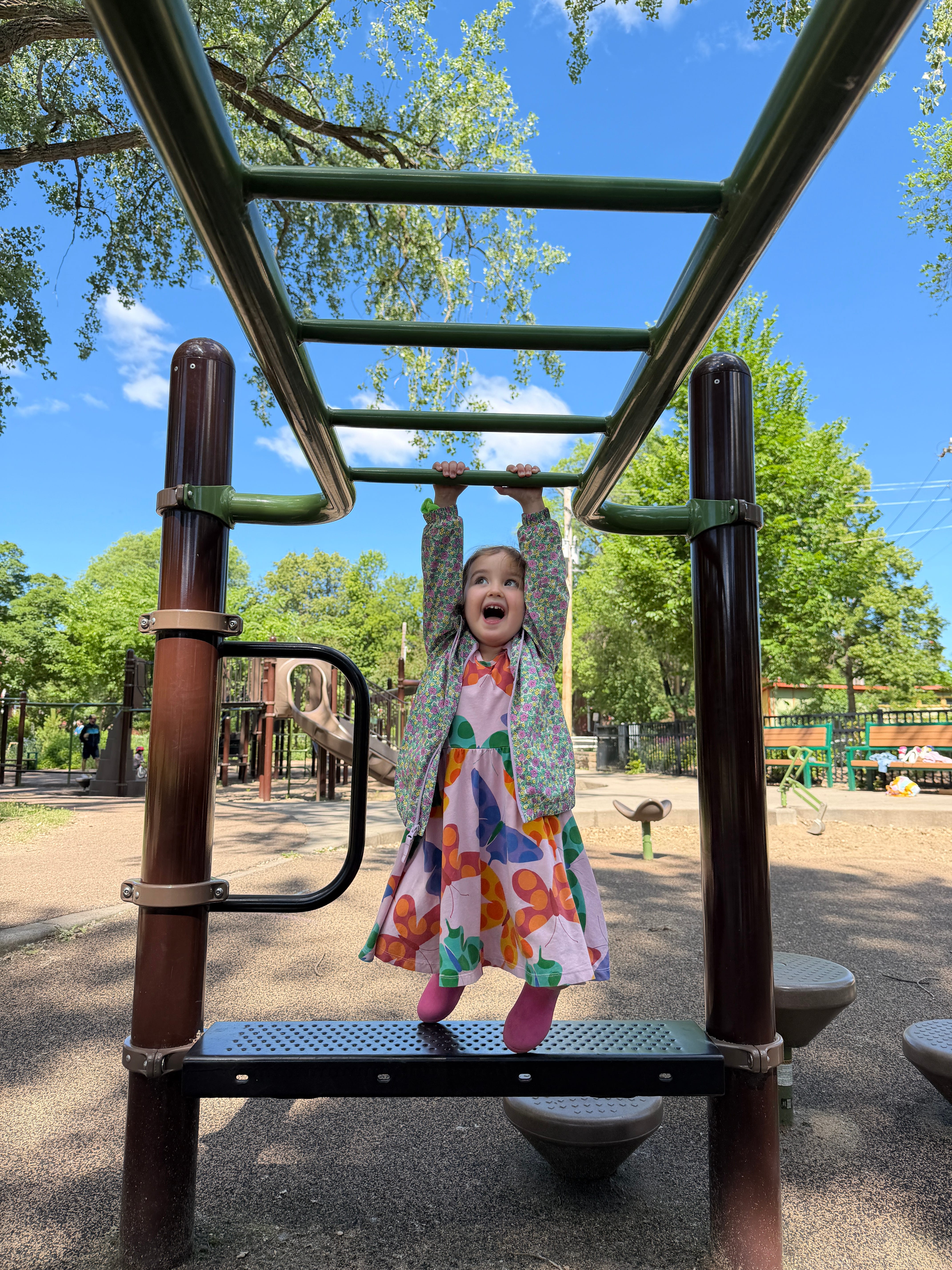
Not to brag, but I’m used to getting calls from camp directors
This was long before Covid when many corporate offices ENCOURAGED you to still come in, even if you had the most contagious strain of strep.
Emotional discomfort, too, but that’s a whole other essay.
Awesome take (as always) and awesome list!
This reminds me of a little trick I shared in a talk recently called "Go Tion Yourself." When things feel off, ask yourself what you REALLY need. Hydration, nutrition, motion, inspiration, connection, hibernation, etc.